How to Match the Right UPS Capacity with Your Needs – Advice from a UPS Distributor in Qatar
Power interruptions are something most businesses in Qatar have experienced at least once. Sometimes it’s a short voltage fluctuation, sometimes a complete outage. In many cases, the real damage doesn’t come from the blackout itself, but from choosing the wrong UPS system to protect your equipment.
As a trusted UPS distributor in Qatar , one of the most common questions we hear is: “How do I know what UPS capacity I actually need?”
There’s no simple one-line answer. UPS sizing depends on how your business operates, what equipment you use, how long you need backup power, and even how hot your environment gets. This article breaks it down in a practical, easy-to-understand way—without the technical jargon.
Why UPS Capacity Is Often Misunderstood
Many people assume that buying a UPS is like buying a generator—you pick a number and you’re done. In reality, UPS systems are far more sensitive.
We often see two mistakes:
- Businesses buying a small UPS to save money, only to face overload alarms and sudden shutdowns.
- Businesses investing in oversized systems that cost more to run and maintain than necessary.
Experienced UPS distributors in Qatar know that correct sizing is about balance—not guessing.
Start with a Simple Question: What Must Stay On?
Before talking about numbers, ask yourself one basic question:
What absolutely must stay powered when electricity fails?
This usually includes:
- Servers and networking equipment.
- Security systems and access control.
- Medical or industrial control systems.
- Fire alarm panels and safety equipment
A professional industrial AC and DC UPS distributor in Qatar will help you list these loads and separate them from non-critical equipment.
Understanding Load in Real Life (Not Just on Paper)
Every device has a power rating, but real-world usage is rarely exact. Equipment can draw more power during startup or peak usage. That’s why reputable UPS distributors in Qatar never rely only on nameplate values.
They calculate:
- Total connected load.
- Peak load conditions.
- Power factor differences.
This prevents surprises after installation.
Modular vs Standalone UPS – Which Makes Sense for You?
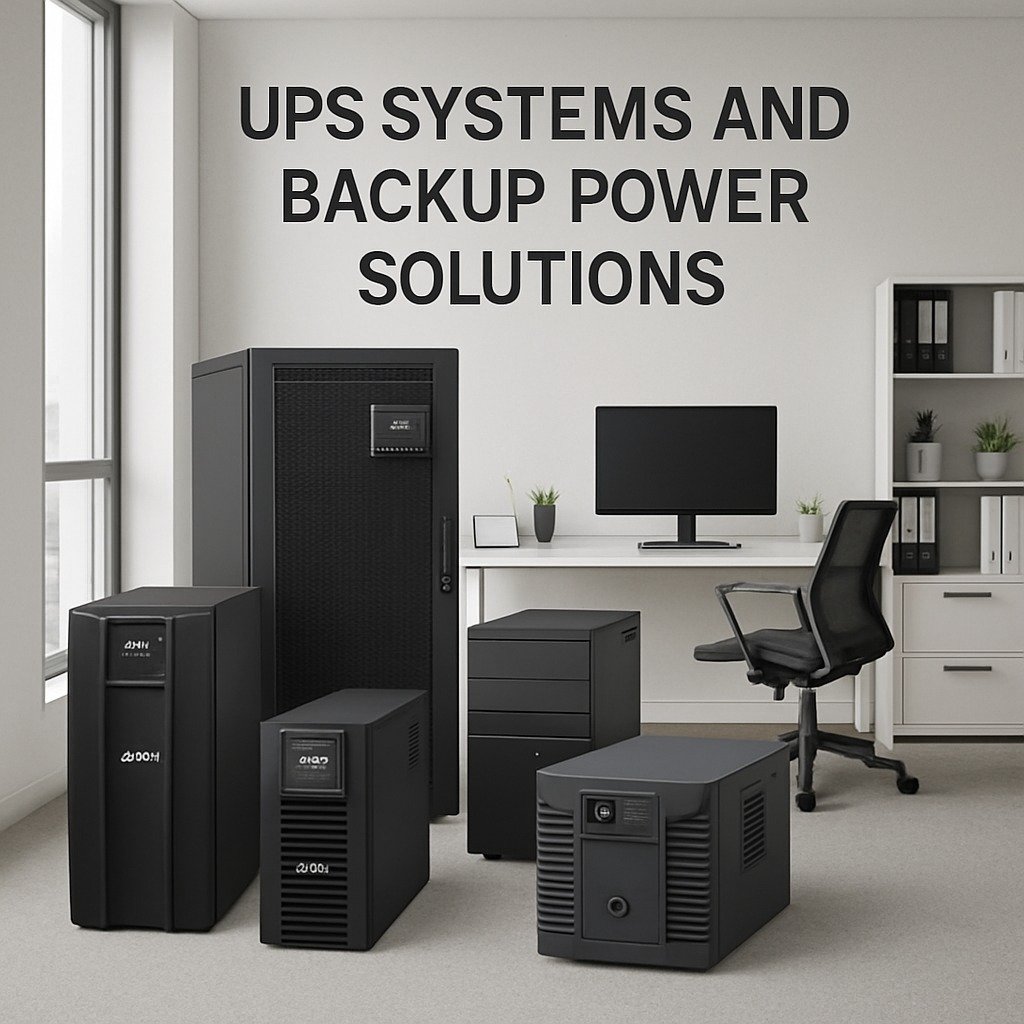
If your business is growing, modular UPS systems are usually the smarter choice. Many modular UPS distributors in Qatar recommend them for data centers, commercial buildings, and expanding operations.
Why modular UPS works well:
- You start with what you need today.
- You add capacity later without replacing the system.
- Maintenance can happen without shutting everything down.
For smaller or fixed environments, a standalone UPS distributor in Qatar may suggest a traditional system that is simpler and more cost-effective.
Single Phase or Three Phase? Don’t Guess
This is another area where businesses make costly mistakes.
A single phase UPS distributor in Qatar typically supplies systems for:
- Offices.
- Retail shops.
- Small IT rooms.
Three-phase UPS systems are more suitable for:
- Industrial facilities.
- Large server rooms.
- Manufacturing plants.
Choosing the wrong type affects efficiency and long-term reliability.
UPS Batteries: The Part Most People Ignore (But Shouldn’t)
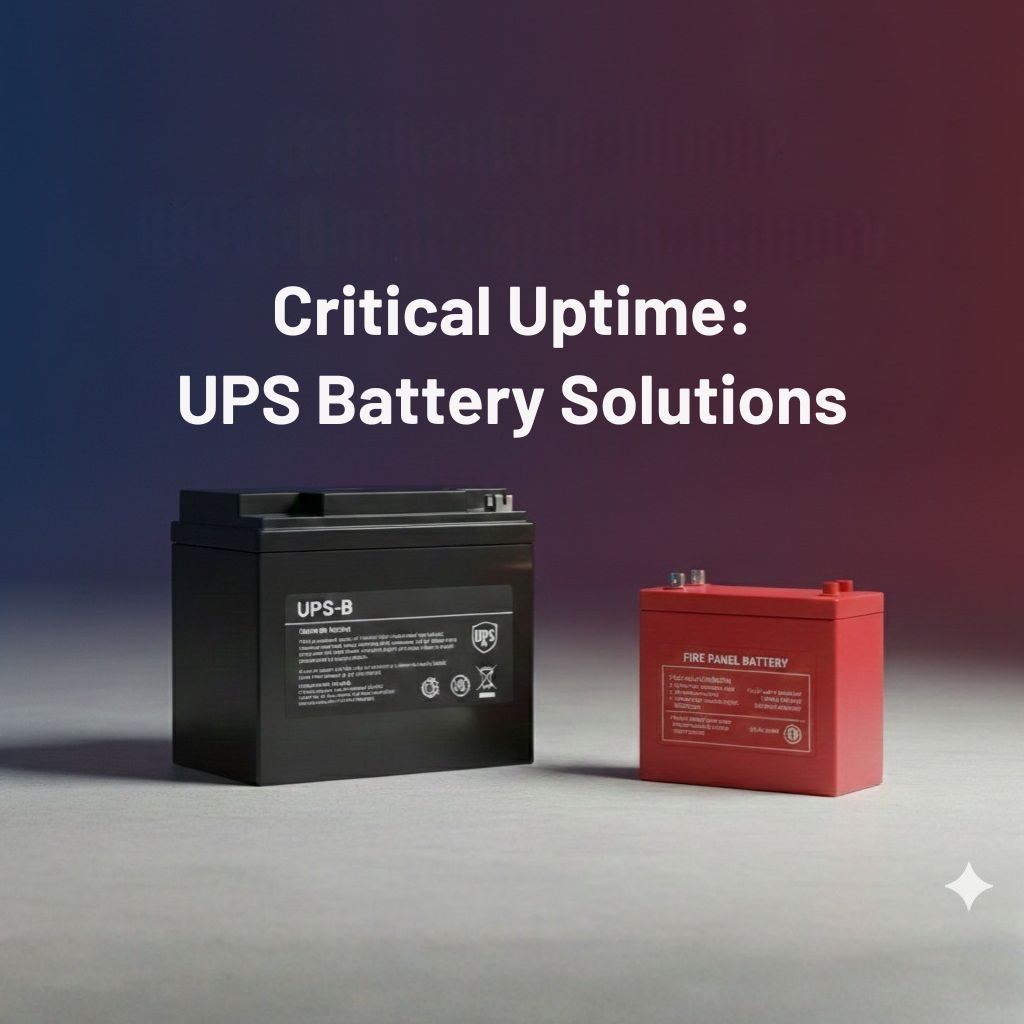
Even the best UPS is useless without the right batteries. As an experienced UPS battery distributor Qatar , we see many failures caused by poor battery choices.
When selecting UPS batteries in Qatar , consider:
- Required backup time.
- Operating temperature.
- Maintenance access.
- Battery lifespan.
In hot environments like Qatar, battery quality matters more than people realize.
Cooling Is Not Optional in Qatar
Heat is one of the biggest enemies of UPS systems. That’s why critical power & cooling experts in Qatar always assess the environment before recommending capacity.
Poor cooling leads to:
- Reduced battery life.
- Lower UPS efficiency.
- Unexpected system failures.
This is especially important for industrial and data center environments.
Fire Panel Batteries and Safety Systems
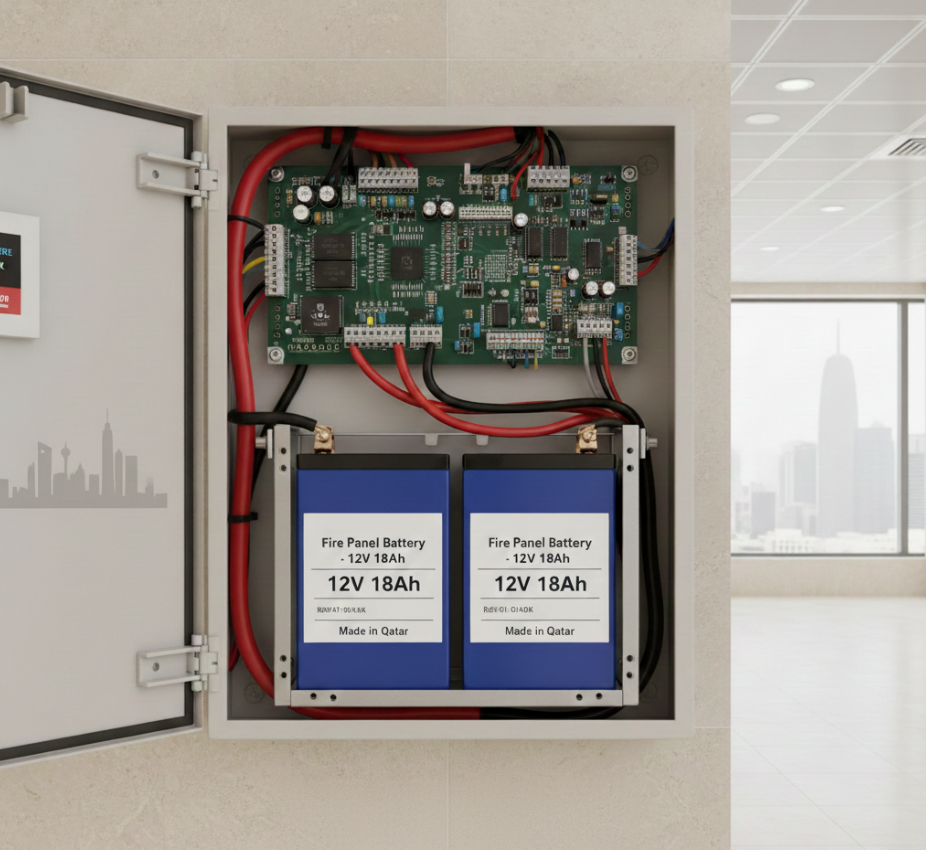
Power backup isn’t only about IT. Fire and safety systems must remain active at all times. Certified fire panel batteries in Qatar are designed specifically for emergency systems and should never be substituted with standard batteries.
A qualified UPS distributor in Qatar ensures these systems meet safety regulations and performance requirements.
Think Beyond Today: Plan for Growth
One of the most important lessons we share as modular UPS suppliers in Qatar is this: Design for tomorrow, not just today .
If you expect growth:
- Choose scalable UPS solutions.
- Leave room for additional battery capacity.
- Plan cooling upgrades early.
This avoids expensive replacements later.
Why Working with the Right UPS Distributor in Qatar Matters
A reliable UPS distributor in Qatar does more than sell equipment. They:
- Analyze your actual power needs.
- Recommend the right technology.
- Handle installation and commissioning.
- Provide long-term service support
This guidance is what separates a stable power system from a risky one.
Final Thoughts
Matching the right UPS capacity isn’t about buying the biggest or cheapest option. It’s about understanding how your business works, how critical your equipment is, and how much downtime you can afford.
With guidance from experienced UPS distributors in Qatar , supported by critical power & cooling experts in Qatar , you can invest in a UPS system that truly protects your operations—not just on paper, but in real-world conditions.
Frequently Asked Questions (FAQs)
1. How do I know what UPS capacity I really need for my business ?
The right UPS capacity depends on what equipment must stay operational during a power outage. A professional UPS distributor in Qatar will assess your connected load, peak power usage, and future expansion plans. Guessing the capacity often leads to overload issues or unnecessary costs
2. Is it better to choose a modular UPS or a standalone UPS ?
It depends on your business size and growth plans. Modular UPS distributors in Qatar usually recommend modular systems for data centers and growing businesses because they allow easy expansion. Standalone UPS systems are more suitable for fixed loads where future growth is limited.
3. How long should a UPS battery provide backup power ?
Backup time varies by application. Some businesses only need enough time for safe shutdown, while others require hours of runtime. An experienced UPS battery distributor Qatar will help select the right UPS batteries in Qatar based on load, runtime expectations, and operating temperature.
4. Does Qatar’s climate affect UPS performance ?
Yes, significantly. High ambient temperatures can reduce UPS efficiency and battery life. That’s why critical power & cooling experts in Qatar always consider ventilation, cooling, and environmental conditions when recommending UPS capacity and battery solutions.
5. What is the difference between single phase and three phase UPS systems ?
A single phase UPS distributor in Qatar typically supplies systems for offices, shops, and small IT setups. Three-phase UPS systems are designed for higher power demands found in industrial facilities, data centers, and manufacturing plants. Choosing the wrong type can lead to inefficiency and system stress.
6. Can I increase UPS capacity later if my business grows ?
Yes, if you choose the right system. Modular UPS suppliers in Qatar offer scalable solutions that allow you to add power modules or batteries without replacing the entire UPS. This makes future expansion easier and more cost-effective.
7. How important are fire panel batteries in a UPS system ?
Fire and safety systems must remain operational at all times. Certified fire panel batteries in Qatar are specifically designed for emergency systems and should never be replaced with standard UPS batteries. A qualified UPS distributor in Qatar ensures compliance with safety standards.
8. How often should UPS systems and batteries be maintained ?
Regular maintenance is essential. Most UPS distributors in Qatar recommend routine inspections, battery testing, and load checks at least once or twice a year. Preventive maintenance helps detect issues early and extends system lifespan.
9. Why shouldn’t I size a UPS based only on equipment ratings ?
Equipment ratings don’t always reflect real operating conditions. Power spikes, startup currents, and environmental factors can increase load. An industrial AC and DC UPS distributor in Qatar considers these real-world factors to avoid overloads and unexpected shutdowns.
10. Why should I work with a local UPS distributor in Qatar instead of buying online ?
A local UPS distributor in Qatar provides site assessment, proper sizing, installation, after-sales support, and faster service response. Online purchases often lack technical guidance, which can lead to incorrect UPS selection and long-term reliability issues.